|
|
News Releases |
||||||||||||||||||||
|
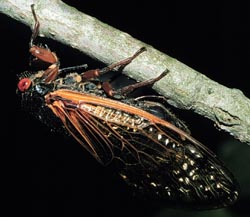
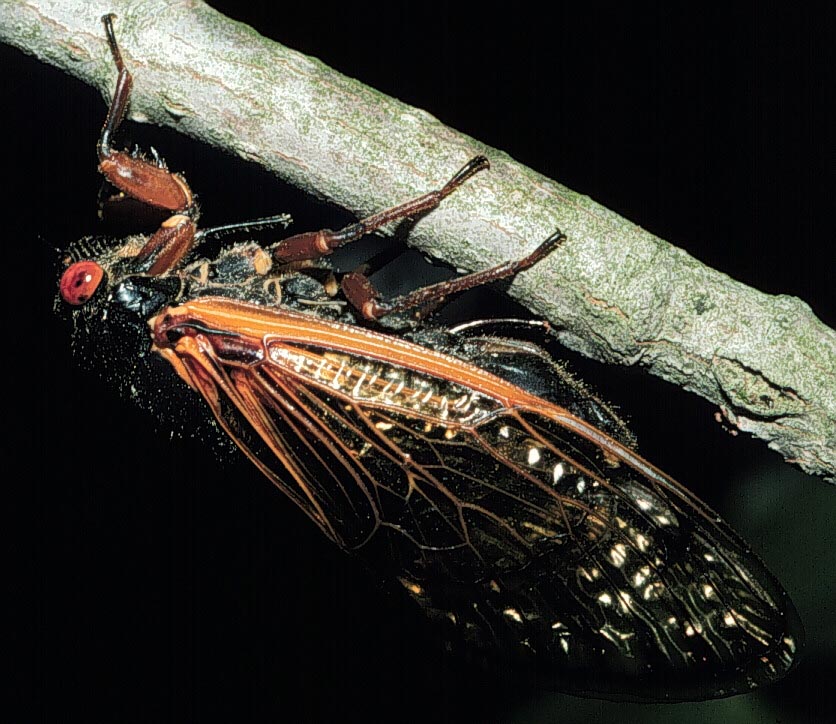
It happens every 17 years, and in some areas the "song" can be deafening. This spring the 17-year cicadas are predicted to return. Designated as Brood X, or Brood Ten, this periodical insect should emerge from subterranean dens in early May, about the time the soil temperature (four inches deep) reaches 67 degrees F. Infestations should be particularly widespread throughout Tennessee, Kentucky and Indiana, as well as parts of Pennsylvania, Delaware, Maryland, Virginia, North Carolina and northern Georgia. In terms of volume, their distinctive call is truly one of nature's most impressive love songs. Male cicadas "sing" to attract mates, and with populations numbering in the hundreds of thousands of cicadas per acre (more than a million in some locales), Dr. Frank Hale, an entomologist with the University of Tennessee Agricultural Extension Service, says the noise will be hard to escape. He also notes their sheer numbers can make these insects quite a nuisance to people and that they are attracted to some running lawn mower or garden tractor engines. They can also threaten young trees and ornamentals.
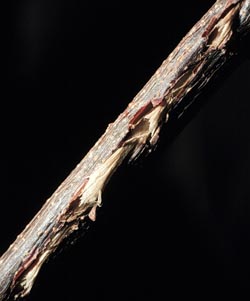
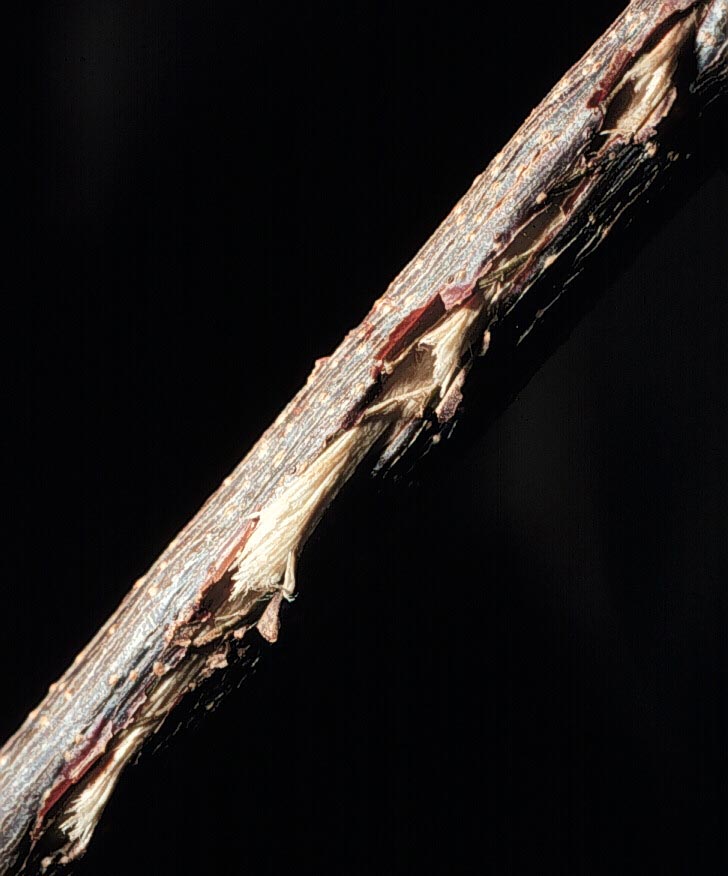
"Females can damage young trees when they slit the bark to make furrows for their eggs," Hale said. He recommends property owners take damage prevention measures in areas that have a history of high cicada populations. "In young fruit tree plantings, delay pruning until after the cicada emergence so you can remove damaged branches and establish a proper scaffolding of branches. If you prune before the eggs hatch, which is five weeks or less after the eggs are laid, burn the damaged twigs," he said. When it is feasible, Hale recommends covering small, valuable shrubs, trees and ornamentals with cheesecloth or spun row cover for protection while cicadas are present. Those with extensive nursery holdings or who may need more extensive control should consult with their local county Agricultural Extension agent, Hale said. The good news, according to the expert, is that periodical cicadas do not eat foliage or crops. "That's locusts," said Hale. "Locusts are certain species of grasshoppers." In addition to the myth of causing total defoliation, cicada emergences have been associated with predictions of war because of the distinctive "W" formed by the pigmented veins on the outer end of their front wings. Hale says they have also been incorrectly accused of poisoning fruit by stinging. "Cicadas cannot sting," he said. A detailed publication about periodical cicadas is available online from the UT Agricultural Extension Service. Visit the Web site: http://utextension.tennessee.edu/publications/. Click on the category "Insects, Pests and Plant Diseases," and follow the link for Periodical Cicada. ### Contacts: Dr. Frank Hale, (615) 832-6802
|
|||||||||||||||||||
|
Copyright ©2003 The University of Tennessee ·
Institute of Agriculture · Knoxville Tennessee 37996-4505
· 865/974-7342 Contact the Webmaster at webmaster@ext1.ag.utk.edu · Disclaimer |
|